How Thrive Handles Amazon Removals & Remediation
Removal Order Handling
We receive your FBA removal batches as Amazon releases them, reconcile what arrives against what you requested, and report anything Amazon did not send.
Inspection & Sorting
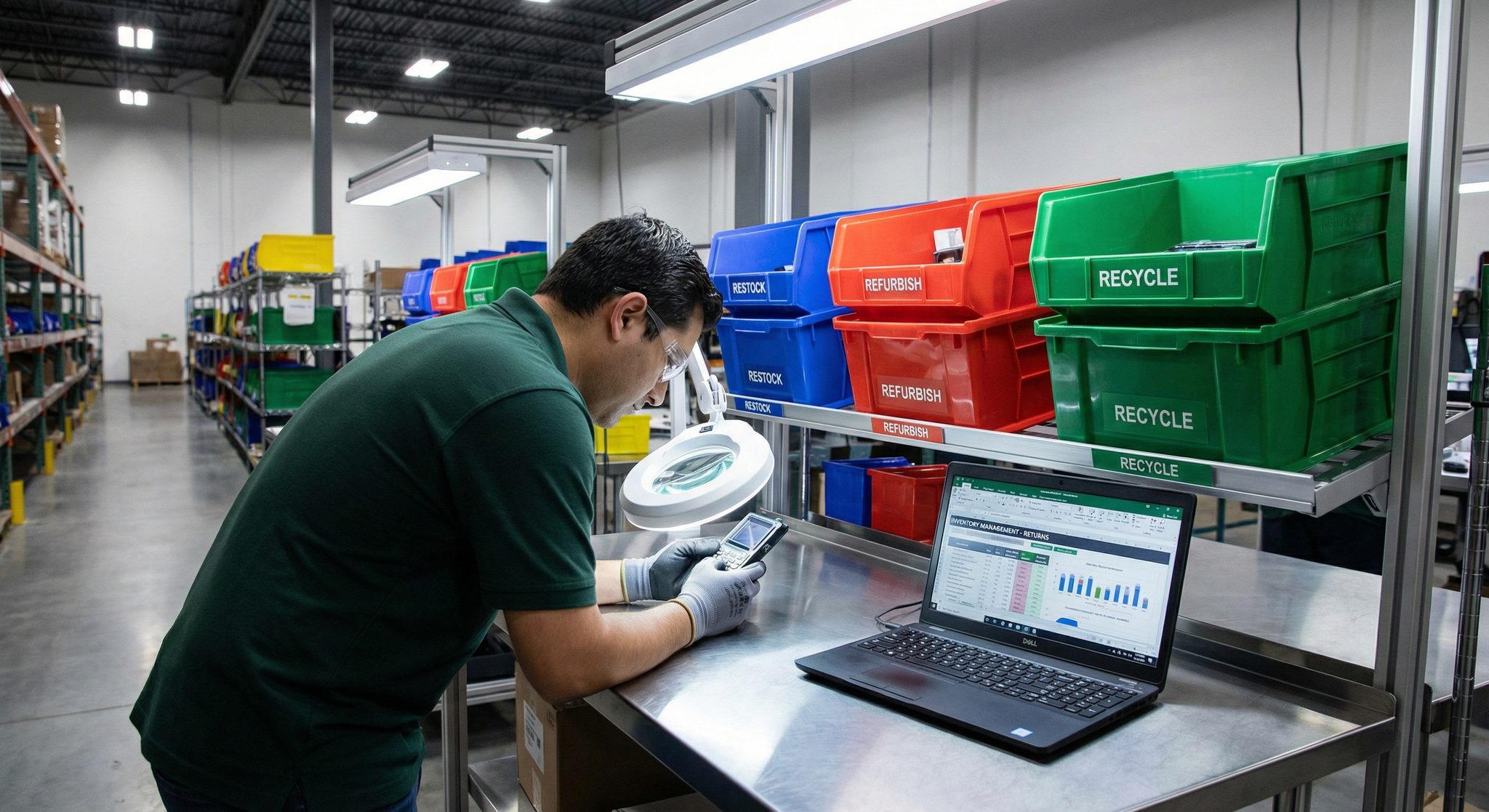
Good and bad units almost always arrive commingled. Our team inspects every unit against your written criteria and documents what it finds.
Repack & Insert Work
We replace outer packaging, swap or remove inserts, add manuals and warning cards, correct labels, and poly bag to Amazon requirements.
Remediation & Rework
Component removal or replacement, repair to your specification, and rebundling. Units that can be saved get saved.
Relabeling & Return to FBA
We relabel known-good units to a new FNSKU, pack them to Amazon carton requirements, and ship to the shipment plan you create.
Documented Destruction
We destroy unsellable units through licensed disposal partners, including battery and hazmat streams, and hand you the documentation.
Anyone can file a removal order. The work starts when the pallets arrive and somebody has to decide, unit by unit, what ships again, what needs fixing first, and what should never go back out at all. We run that whole loop and send the good units back into FBA.
Your ASIN Stays Closed While the Stock Trickles Back
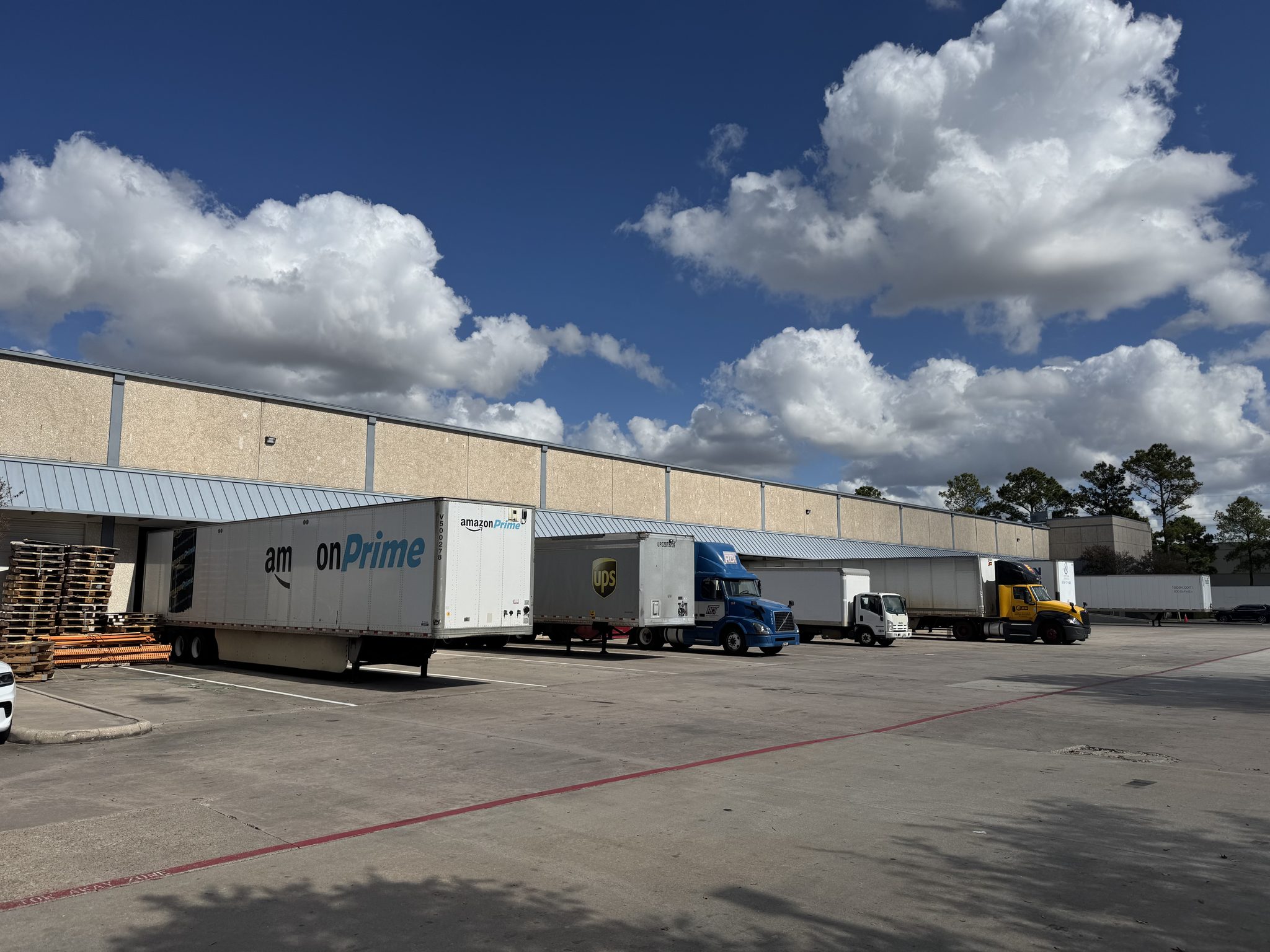
Amazon releases removal orders in batches, and a large removal can trickle in for up to three months. The seller usually has to close the ASIN completely while that stock comes back, which means no sales at all for as long as the listing stays down. Competitors spend those months taking the market share and the organic ranking you built, and a single sorting trip cannot touch the pallets Amazon has not released yet. Our team works through your returns in batches as they arrive instead of waiting for the last pallet, so your known-good units return to FBA while the listing still has a position left to recover.
"When we had a product recall affecting thousands of units, Thrive's team mobilized immediately. They sorted, inspected, and resolved everything in days — not weeks."
What Is an Amazon Removal Order?
An Amazon removal order is a request in Seller Central to ship inventory out of an FBA fulfillment center to an address you choose. Sellers file removals to recover unfulfillable units, to clear stock ahead of long-term storage fees, or to pull product that needs correcting before it sells again. Amazon releases the units in batches rather than all at once, so a large removal arrives over weeks or months and needs a receiving partner who can process it in stages.
Why Inventory Comes Back Out
A recall is the loudest reason to pull inventory, but there are many others. Brands pull inventory when a quality issue surfaces after launch, when a factory change means old and new production should not sell under the same listing, when packaging or inserts need replacing, when a label or compliance mark is wrong, or when returned and damaged units pile up as unfulfillable. Each situation ends in the same place. Someone has to look at every unit, sort the good from the bad, correct what can be corrected, and get the sellable inventory back on the shelf before the listing loses its position.
The Removal Loop, End to End
A complete project begins when you file the removal and route it to our facility. We receive each batch as Amazon releases it, reconcile the count against the removal you filed, and compare the units that arrive against the SOP you provided. You get the shortfall and the condition findings while the dispute window with Amazon is still open. Our team inspects and sorts every unit against your written criteria, corrects the units that can be corrected, and destroys the units that cannot with documentation returned to you. We then relabel the known-good inventory to a new FNSKU and ship it to the plan you create in Seller Central.
Splitting those stages across a warehouse, an inspection vendor, and a prep service adds days (or even weeks) at every handoff, and your inventory spends that time in storage rather than on the sellable inventory shelf.
The Work We Do to Each Unit
Inspection comes first, against the criteria you write. Our team grades each unit, photographs whatever you ask us to photograph, and records the findings, so the sellable population becomes a number you can act on rather than an impression.
The work after that depends on what the unit needs. We replace outer packaging and poly bags. We steam out wrinkles. We remove or swap printed inserts, add manuals, warning cards, and promotional material, and pull inserts that have expired. We correct or reapply labels, including FNSKU, suffocation warnings, and box content labels. We remove and replace components, repair to your written specification, and rebundle multipacks that came apart in transit.
Units that cannot be saved go to licensed disposal partners, including battery and hazmat streams, and the destruction documentation comes back to you.
Projects We Have Run
A sample of the work, by product category. Client names stay private.
Toys
Removed button batteries from a toy set, then worked with a licensed battery disposal firm to evidence that every cell had been destroyed properly.
Fitness Equipment
A pilates equipment line arrived from the factory with manufacturing defects. We inspected, sorted, repackaged, and relabeled the good units under a new SKU, which reopened the listing before the defective stock could draw negative reviews.
Apparel
Repacked returned garments back to sellable condition in volume, steaming out the wrinkles that come with a return trip.
Kitchen Appliances
Received returned commercial kitchen appliances and tested every unit for proper operation before it went back into sellable inventory.
Pillows and Cushions
Repacked pillows and cushions into new retail cartons to carry a client's rebranding through to the shelf.
Electronics
Inspected a full first production run arriving from a new factory, before any of it reached the sales channel.
HazMat and Restricted Categories
Thrive accepts products containing lithium batteries, aerosol sprays, chemical-based products, and products containing magnets on a case-by-case basis, under express advance approval. The review turns on the Safety Data Sheet or SDS exemption sheet you provide, and it weighs your specific product, its packaging and labeling, and the carrier restrictions that apply to it.
We decline goods that would require Thrive to obtain separate regulatory approvals of its own, such as FDA clearance for a medical device or EPA certification for a chemical. Send the SDS at the start of the conversation rather than the end, because the review takes time that a live project rarely has.
Run the Math Before You File the Removal
Removals are not cheap, and the cost applies to every unit you pull rather than only the units you rescue. Amazon charges a removal fee on each one. Freight out of the fulfillment center costs money, the labor to inspect and remediate costs money, and freight back in costs money again. Set that total against the recoverable value of the sellable portion. High-value goods with a strong sellable ratio clear it comfortably. Low-value stock where most of the shipment is scrap rarely does, and the brand comes out ahead paying Amazon to dispose of the lot and shipping in fresh known-good inventory instead. We will walk the numbers with you before you file, and we will say so when the answer is that you should not.
One more entry belongs on the credit side of that calculation. A brand holding defective goods can often claim against the manufacturer, and the claim needs evidence: unit counts, defect categories, and photographs of what actually arrived. Amazon does not produce that documentation for you. Our inspection record does, which means the inspection you are already paying for can carry part of its own cost.
Calculate Your Hidden Costs
The largest number in this calculation never appears on a quote. Winning back a rank position costs advertising money, and every additional month the listing sits closed raises that bill. The same arithmetic argues against disposing of everything and reordering, because a fresh production run and an ocean crossing keep the ASIN closed far longer than a remediation cycle does. A modest-value product can justify remediation on rank alone when the listing at stake is a best seller. Relabeling known-good units and returning them to FBA within weeks rather than months turns a shutdown into a pause.
Storage is the hidden cost that has nothing to do with damage or defects. Amazon charges more to hold inventory in the fourth quarter and more again once that inventory has aged, so a perfectly sellable product can cost more to sit still than it earns. The answer is to stop using FBA as a warehouse. Pull everything beyond sixty to seventy-five days of cover, hold the balance with us in Houston at warehouse rates, and let us replenish two weeks of inventory into FBA twice a month. That math works whenever demand is steady enough to forecast against, and it turns a storage bill into working capital.
How We Scope and Report
We review your SOP, inspect sample units where that helps, and agree to the scope and the reporting checkpoints before any work begins. You choose the intervals, and the progress reports arrive at them rather than as one summary after the project has ended. You are also welcome to come to Houston and take part in the inspection yourself, though our team normally handles all of it.
Common Questions
Related Services
Ready to get started?
Get a custom quote for your fulfillment needs in 24 hours.